SILK, DECODED: MOMME, WEAVE, DRAPE, AND WHY IT MATTERS
SILK, DECODED: MOMME, WEAVE, DRAPE, AND WHY IT MATTERS
SILK, DECODED: MOMME, WEAVE, DRAPE, AND WHY IT MATTERS
Silk is not one feeling, but a set of decisions—weight, weave, and finish, and the way a garment moves, warms, and wears in quiet fidelity. In this article, L’IA examines how luxury is built in small mechanics, from satin’s glow to twill’s restraint.
Once designed to disappear under clothing, lingerie now steps into daylight as a deliberate line in the look. L’IA traces how corsetry’s discipline and silk’s quiet authority translate intimacy into composed visibility, where craft and restraint shape what is seen—and what remains yours.
Silk is not one feeling, but a set of decisions—weight, weave, and finish, and the way a garment moves, warms, and wears in quiet fidelity. In this article, L’IA examines how luxury is built in small mechanics, from satin’s glow to twill’s restraint.
PUBLISHED: JAN 16, 2026
Once designed to disappear under clothing, lingerie now steps into daylight as a deliberate line in the look. L’IA traces how corsetry’s discipline and silk’s quiet authority translate intimacy into composed visibility, where craft and restraint shape what is seen—and what remains yours.
PUBLISHED: JAN 16, 2026
6 MIN READ
Once designed to disappear under clothing, lingerie now steps into daylight as a deliberate line in the look. L’IA traces how corsetry’s discipline and silk’s quiet authority translate intimacy into composed visibility, where craft and restraint shape what is seen—and what remains yours.
6 MIN READ
Silk Is Not One Feeling
Silk Is Not One Feeling
Silk is often spoken about as if it were a single sensation. In practice, it is a spectrum of weight, structure, and mood. Two fabrics can both be silk and still feel like entirely different choices on skin.
What touches the body is not the word silk. It is momme, weave, and finish. It is the way a fabric holds air, the way it bends, and the way it warms. Luxury begins there, in mechanics that do not need to announce themselves.
Silk is often spoken about as if it were a single sensation. In practice, it is a spectrum of weight, structure, and mood. Two fabrics can both be silk and still feel like entirely different choices on skin.
What touches the body is not the word silk. It is momme, weave, and finish. It is the way a fabric holds air, the way it bends, and the way it warms. Luxury begins there, in mechanics that do not need to announce themselves.

Momme is the easiest measure to name, and the hardest to respect properly. It is a weight standard, not a promise of softness. It tells you how much silk is present in a given area of cloth, which quietly influences opacity, durability, and drape.
Lower momme silk can feel almost weightless, like a cool breath that moves before you do. It slips under knitwear and disappears under tailoring. It can also reveal the outline of seams more readily, because the cloth does not have much mass to smooth what sits beneath it.
Higher momme silk carries itself differently. It has more gravity, more presence, and a slightly steadier fall. On the body, it tends to feel calmer, less reactive to every small movement, as if it has decided where it wants to rest.
Momme is the easiest measure to name, and the hardest to respect properly. It is a weight standard, not a promise of softness. It tells you how much silk is present in a given area of cloth, which quietly influences opacity, durability, and drape.
Lower momme silk can feel almost weightless, like a cool breath that moves before you do. It slips under knitwear and disappears under tailoring. It can also reveal the outline of seams more readily, because the cloth does not have much mass to smooth what sits beneath it.
Higher momme silk carries itself differently. It has more gravity, more presence, and a slightly steadier fall. On the body, it tends to feel calmer, less reactive to every small movement, as if it has decided where it wants to rest.
Weave Is the Architecture of Intimacy
Weave Is the Architecture of Intimacy
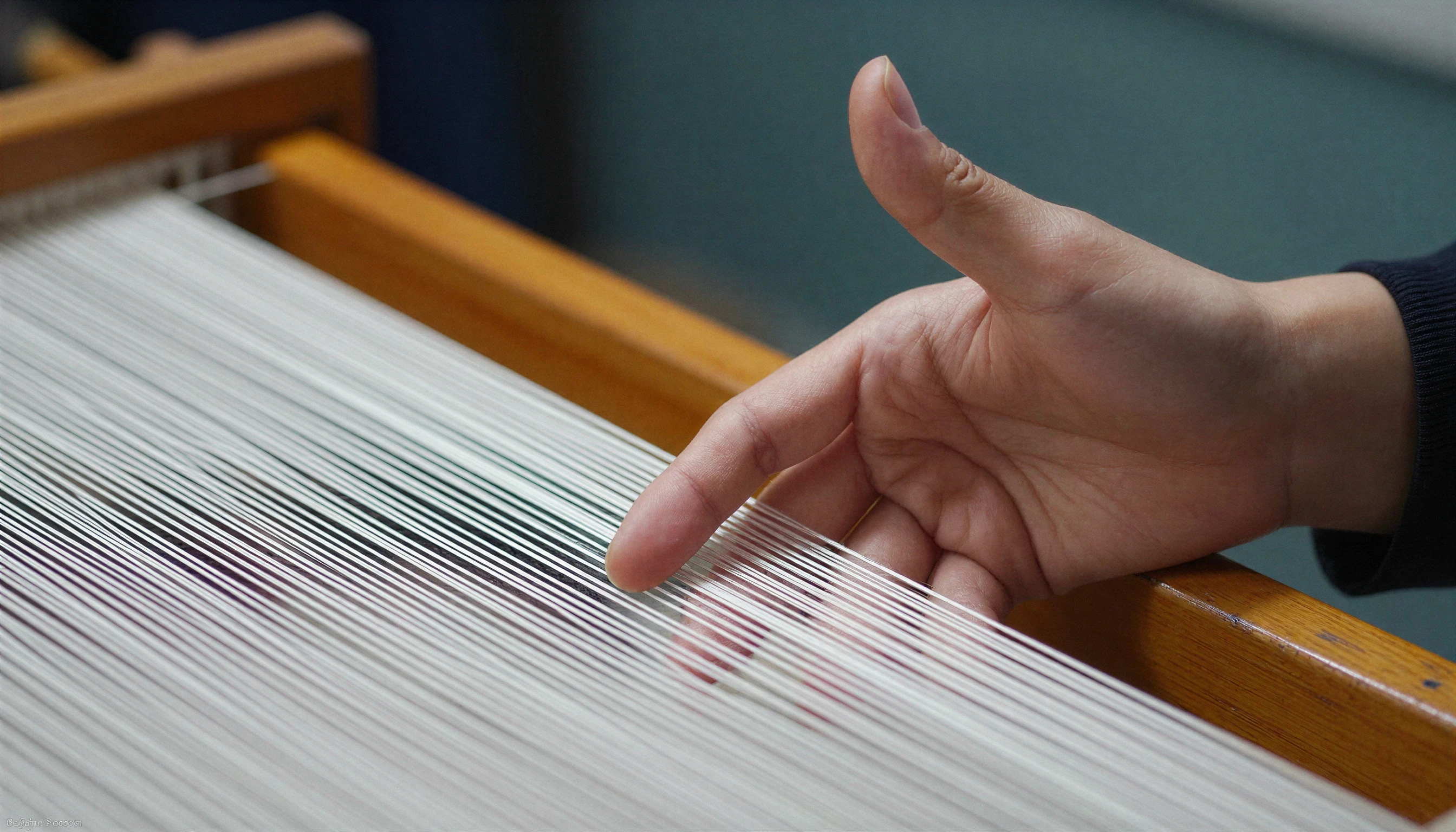
The weave is what gives silk its character. The same fiber can become luminous or matte, fluid or crisp, depending on how the threads are arranged. Weave is architecture, and lingerie is where architecture becomes intimate.
Satin is not a fiber. Satin is a weave that places more thread on the surface, creating that familiar glow. When satin is cut well, it feels like continuous contact, smooth enough to make the body feel composed.
That glow has a temperament. Satin reflects light openly, which can feel beautiful in the mirror and almost ceremonial in the hand. It also tends to show the smallest disruptions—tiny creases, stitch impressions, even the memory of being folded.
The weave is what gives silk its character. The same fiber can become luminous or matte, fluid or crisp, depending on how the threads are arranged. Weave is architecture, and lingerie is where architecture becomes intimate.
Satin is not a fiber. Satin is a weave that places more thread on the surface, creating that familiar glow. When satin is cut well, it feels like continuous contact, smooth enough to make the body feel composed.
That glow has a temperament. Satin reflects light openly, which can feel beautiful in the mirror and almost ceremonial in the hand. It also tends to show the smallest disruptions—tiny creases, stitch impressions, even the memory of being folded.
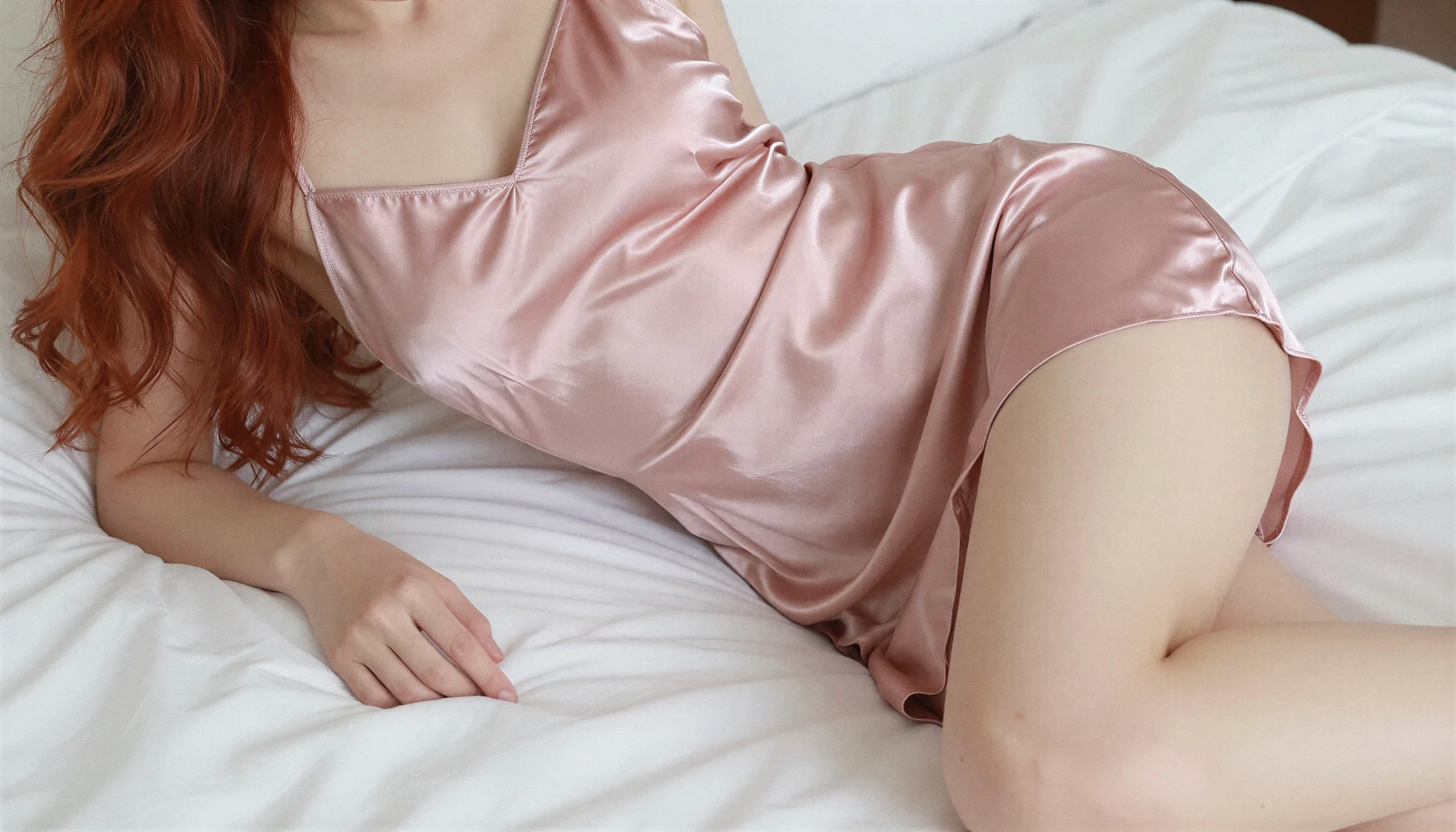
Charmeuse is often described as satin’s softer sister, but the difference is more technical than poetic. Silk charmeuse is a satin weave with a crepe back, usually lighter and more fluid. The surface is glossy, yet the underside has a faint grip that changes how it sits against the body.
On skin, charmeuse often feels cooler at first touch, then quickly becomes warm. It has a way of moving with you rather than around you. In lingerie, it can make a garment feel less like a piece you put on and more like a layer that follows your posture.
Charmeuse is often described as satin’s softer sister, but the difference is more technical than poetic. Silk charmeuse is a satin weave with a crepe back, usually lighter and more fluid. The surface is glossy, yet the underside has a faint grip that changes how it sits against the body.
On skin, charmeuse often feels cooler at first touch, then quickly becomes warm. It has a way of moving with you rather than around you. In lingerie, it can make a garment feel less like a piece you put on and more like a layer that follows your posture.
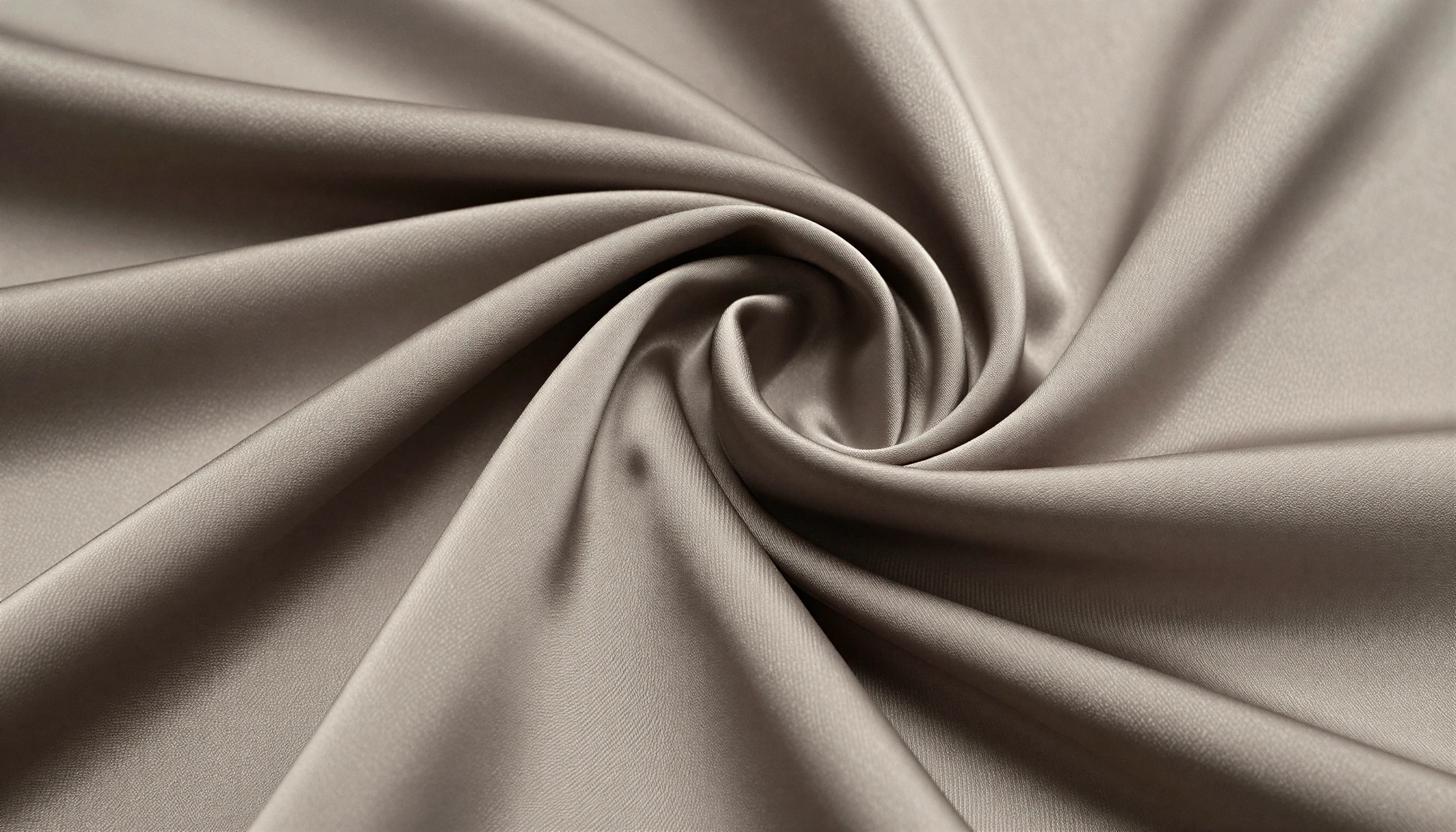
Twill is another world. It is built with diagonal ribs that you can sometimes see, sometimes only sense. Twill has a quiet strength, a firmness that reads as order rather than stiffness.
Silk twill usually feels less slippery than satin or charmeuse. It can be smooth, but not glossy. When it is used in lingerie—rarely, and usually with intention—it creates a feeling of secure containment, as if the fabric is holding its line without needing tension.
Twill is another world. It is built with diagonal ribs that you can sometimes see, sometimes only sense. Twill has a quiet strength, a firmness that reads as order rather than stiffness.
Silk twill usually feels less slippery than satin or charmeuse. It can be smooth, but not glossy. When it is used in lingerie—rarely, and usually with intention—it creates a feeling of secure containment, as if the fabric is holding its line without needing tension.
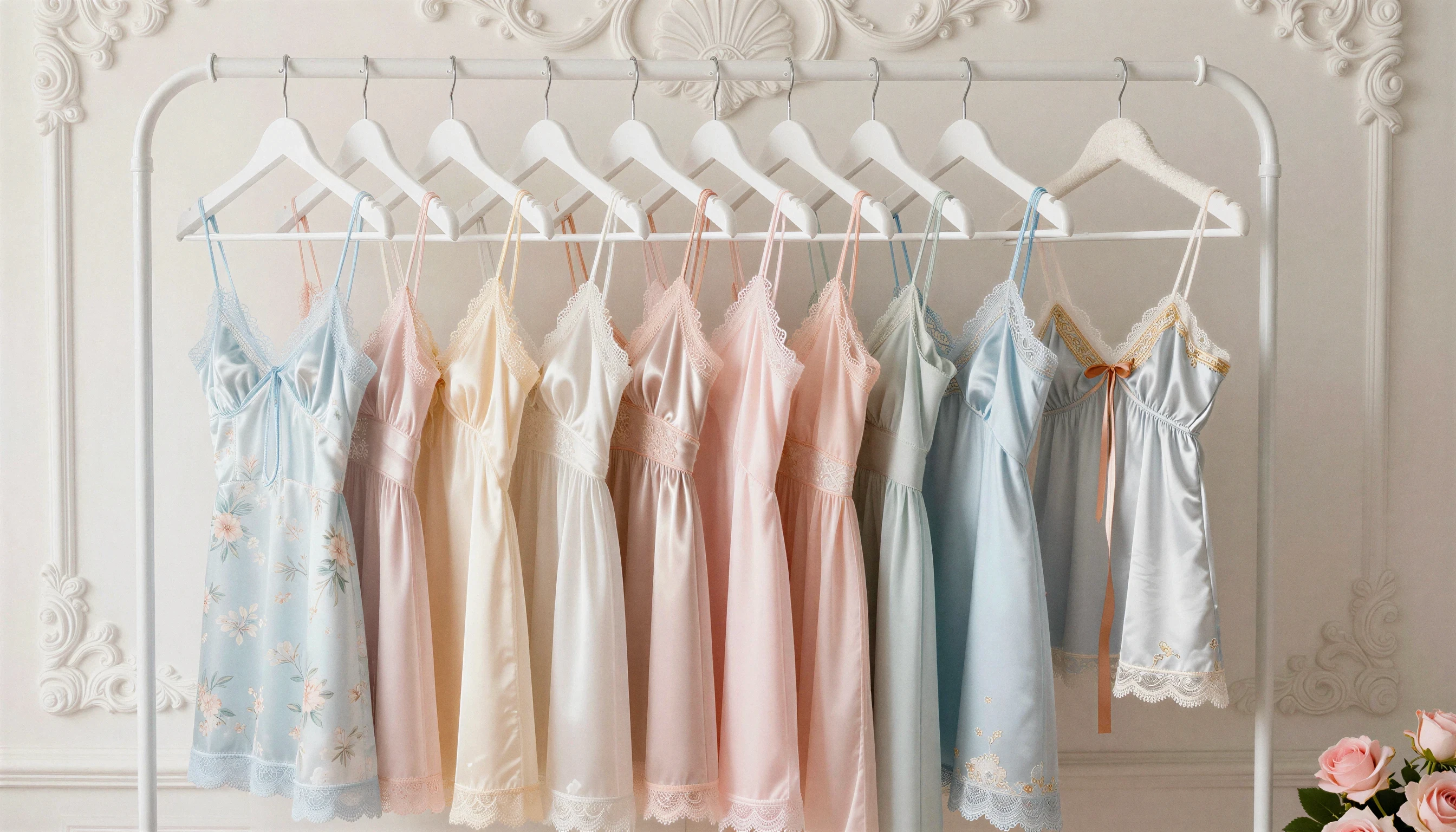
Drape is where these differences become lived. Drape is not just how fabric hangs on a hanger. It is how it behaves when you breathe, how it folds when you sit, how it responds when you reach for something without thinking.
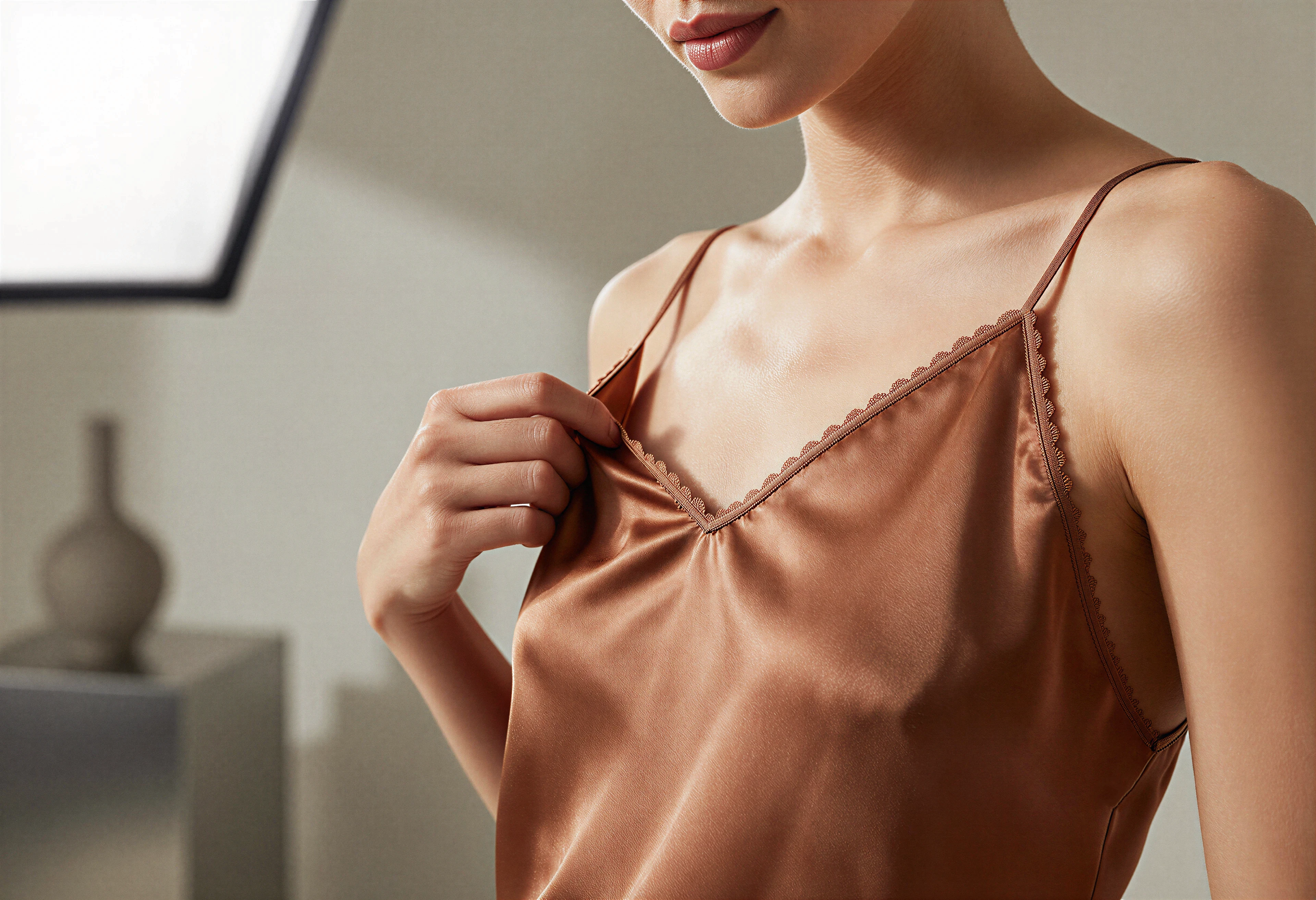
Some silks drape in long, continuous lines. Others break into smaller folds, creating a softer, more textured movement. In lingerie, this affects not only appearance, but ease—whether a camisole shifts quietly under a blazer, or gathers slightly at the waist and asks to be adjusted.
Temperature is another form of truth. Silk is often called cooling, but what it actually offers is regulation. It can feel cool on first contact because it conducts heat away from the skin, then settles into warmth as it shares your body temperature.
The weave and weight change that settling. A light charmeuse can feel like cool water for a moment, then disappear into a comfortable neutrality. A heavier satin can feel more insulating, not hot, but steadier, like a fabric that prefers slower mornings.
Drape is where these differences become lived. Drape is not just how fabric hangs on a hanger. It is how it behaves when you breathe, how it folds when you sit, how it responds when you reach for something without thinking.
Some silks drape in long, continuous lines. Others break into smaller folds, creating a softer, more textured movement. In lingerie, this affects not only appearance, but ease—whether a camisole shifts quietly under a blazer, or gathers slightly at the waist and asks to be adjusted.
Temperature is another form of truth. Silk is often called cooling, but what it actually offers is regulation. It can feel cool on first contact because it conducts heat away from the skin, then settles into warmth as it shares your body temperature.
The weave and weight change that settling. A light charmeuse can feel like cool water for a moment, then disappear into a comfortable neutrality. A heavier satin can feel more insulating, not hot, but steadier, like a fabric that prefers slower mornings.
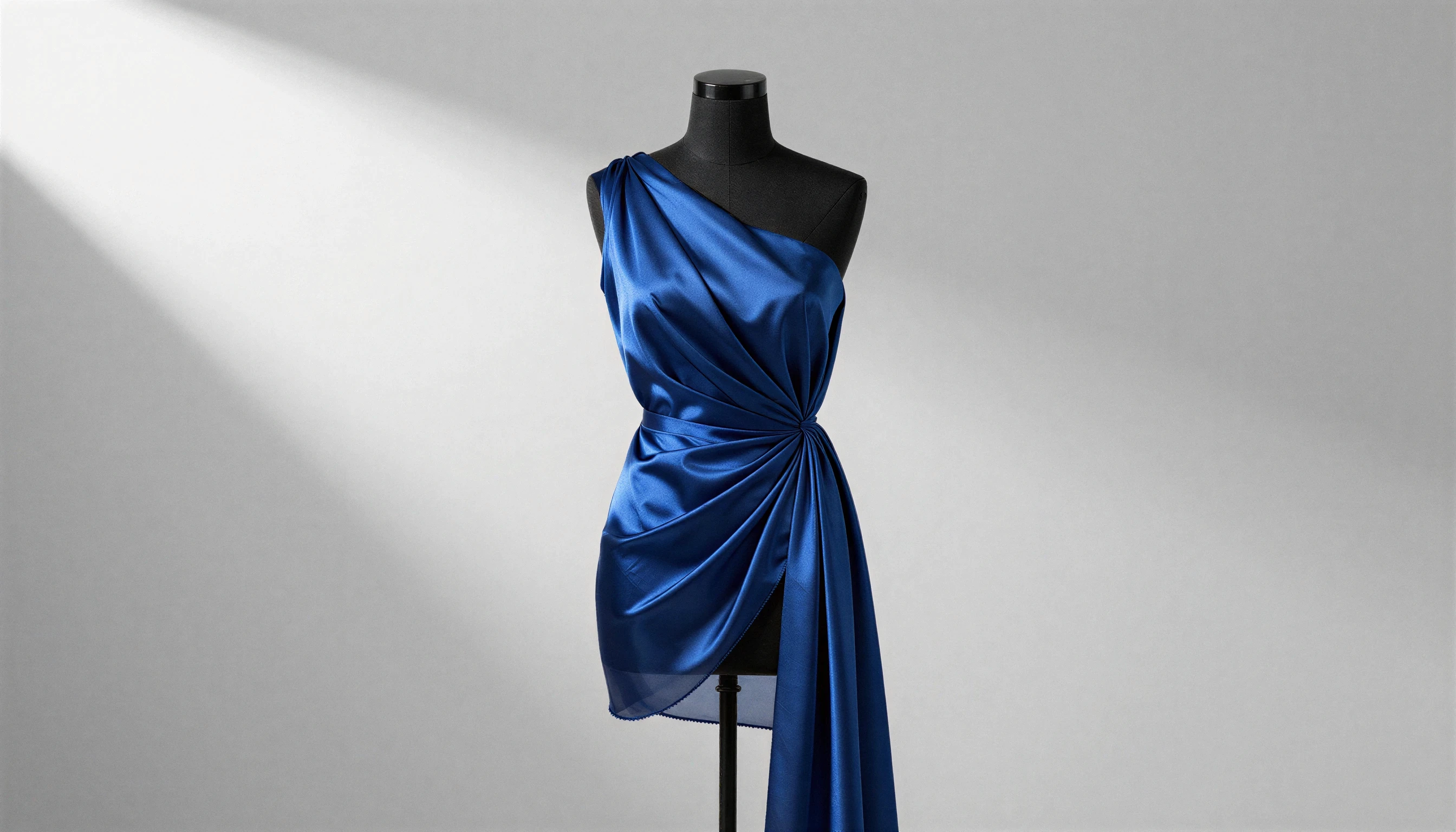
There is also the sound of silk, which is one of its most private luxuries. High-quality silk can be nearly silent, especially when the finish is clean and the garment is cut with enough ease to avoid friction. Lower-quality or overly finished silk can rustle sharply, drawing attention where none is needed.
Lustre is often mistaken for quality. Shine can come from excellent weaving, and it can also come from aggressive finishing that forces brightness onto the surface. The difference becomes clear over time, when the fabric is worn and washed and allowed to live.
A refined lustre looks integrated. It does not sit on top of the fabric like a coating. It seems to come from within the cloth, as if the threads themselves are holding light rather than reflecting it back.
There is also the sound of silk, which is one of its most private luxuries. High-quality silk can be nearly silent, especially when the finish is clean and the garment is cut with enough ease to avoid friction. Lower-quality or overly finished silk can rustle sharply, drawing attention where none is needed.
Lustre is often mistaken for quality. Shine can come from excellent weaving, and it can also come from aggressive finishing that forces brightness onto the surface. The difference becomes clear over time, when the fabric is worn and washed and allowed to live.
A refined lustre looks integrated. It does not sit on top of the fabric like a coating. It seems to come from within the cloth, as if the threads themselves are holding light rather than reflecting it back.

When Luxury Is Felt, Not Shown
When Luxury Is Felt, Not Shown
Mechanics matter because lingerie lives close to the body’s smallest sensitivities. Silk that is too thin for a garment’s construction can make seams and elastic feel more present. Silk that is too heavy can resist shaping, pulling slightly at curves rather than settling.
This is where high-luxury construction becomes felt rather than displayed. A silk-wrapped underwire channel does not read as a feature; it reads as absence of irritation. Hand-applied picot elastic does not announce itself; it simply lies flatter, with less bite and less memory on the skin.
A French seam is not a decorative flourish. It is a way of keeping the inside of a garment quiet. It removes the rough edge that would otherwise brush the body, and it makes the interior feel finished in the way true luxury often is: for the wearer alone.
Even hardware has a language. Plated metal can feel cooler, smoother, less reactive. Poorly finished components can catch, snag, or turn slightly rough at the edge, which the skin notices immediately, long before the mind forms an opinion.
Mechanics matter because lingerie lives close to the body’s smallest sensitivities. Silk that is too thin for a garment’s construction can make seams and elastic feel more present. Silk that is too heavy can resist shaping, pulling slightly at curves rather than settling.
This is where high-luxury construction becomes felt rather than displayed. A silk-wrapped underwire channel does not read as a feature; it reads as absence of irritation. Hand-applied picot elastic does not announce itself; it simply lies flatter, with less bite and less memory on the skin.
A French seam is not a decorative flourish. It is a way of keeping the inside of a garment quiet. It removes the rough edge that would otherwise brush the body, and it makes the interior feel finished in the way true luxury often is: for the wearer alone.
Even hardware has a language. Plated metal can feel cooler, smoother, less reactive. Poorly finished components can catch, snag, or turn slightly rough at the edge, which the skin notices immediately, long before the mind forms an opinion.

Silk also carries time differently. A well-made silk garment does not merely last; it evolves. The hand can soften slightly, the drape can become more personal, and the garment begins to remember the shape of your habits.
There is a particular kind of composure that comes from understanding these distinctions. Not in order to become technical for its own sake, but in order to name what the body already knows. When silk is right, it does not feel like luxury as display.
It feels like permission. A quiet agreement between fabric and skin, where nothing is demanded and nothing is performed. Just a material chosen with discernment, doing its work in close, unobserved fidelity.
Silk also carries time differently. A well-made silk garment does not merely last; it evolves. The hand can soften slightly, the drape can become more personal, and the garment begins to remember the shape of your habits.
There is a particular kind of composure that comes from understanding these distinctions. Not in order to become technical for its own sake, but in order to name what the body already knows. When silk is right, it does not feel like luxury as display.
It feels like permission. A quiet agreement between fabric and skin, where nothing is demanded and nothing is performed. Just a material chosen with discernment, doing its work in close, unobserved fidelity.