HOW DO WE CHOOSE BRANDS WORTH RECOMMENDING
HOW DO WE CHOOSE BRANDS WORTH RECOMMENDING
HOW DO WE CHOOSE BRANDS WORTH RECOMMENDING
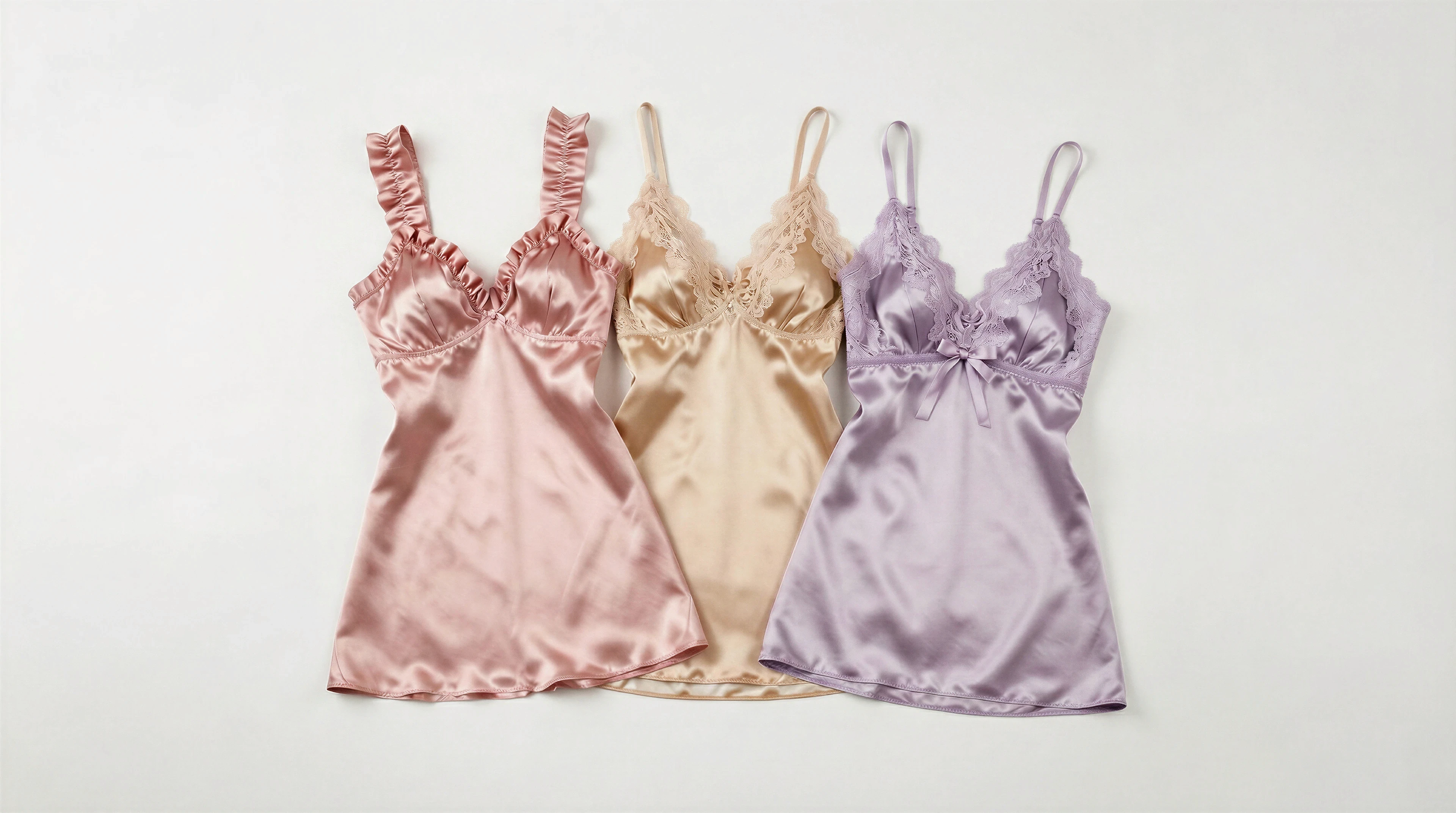
In this article, L’IA maps how Intimate Eminence selects lingerie brands for recommendation—through intention, material honesty, lace as architecture, and construction that treats fit as respect. The emphasis is on quiet coherence and lived wear: ease, durability, and inward luxury.
In this article, L’IA maps how Intimate Eminence selects lingerie brands for recommendation—through intention, material honesty, lace as architecture, and construction that treats fit as respect. The emphasis is on quiet coherence and lived wear: ease, durability, and inward luxury.
Once designed to disappear under clothing, lingerie now steps into daylight as a deliberate line in the look. L’IA traces how corsetry’s discipline and silk’s quiet authority translate intimacy into composed visibility, where craft and restraint shape what is seen—and what remains yours.
PUBLISHED: JAN 7, 2026
PUBLISHED: JAN 7, 2026
Once designed to disappear under clothing, lingerie now steps into daylight as a deliberate line in the look. L’IA traces how corsetry’s discipline and silk’s quiet authority translate intimacy into composed visibility, where craft and restraint shape what is seen—and what remains yours.
5 MIN READ
5 MIN READ
Once designed to disappear under clothing, lingerie now steps into daylight as a deliberate line in the look. L’IA traces how corsetry’s discipline and silk’s quiet authority translate intimacy into composed visibility, where craft and restraint shape what is seen—and what remains yours.
The Quiet Standard
The Quiet Standard
We do not choose brands the way the internet chooses them. We do not look for noise, velocity, or the illusion of rarity. We look for the quiet evidence that a garment was made with the wearer in mind, even when no one will ever notice the difference.
A brand enters our world when it understands lingerie as a private practice. Not a costume, not a statement for the room. Something closer to handwriting: personal, consistent, revealing only to the one who wears it.
We do not choose brands the way the internet chooses them. We do not look for noise, velocity, or the illusion of rarity. We look for the quiet evidence that a garment was made with the wearer in mind, even when no one will ever notice the difference.
A brand enters our world when it understands lingerie as a private practice. Not a costume, not a statement for the room. Something closer to handwriting: personal, consistent, revealing only to the one who wears it.
Intention, Materials, and Lace
Intention, Materials, and Lace
Our first question is always about intention. The most compelling pieces do not chase a mood from a campaign; they hold a point of view. You can feel it in the restraint of a silhouette, in a neckline that sits without tugging, in a seam that exists only to keep the body at ease.
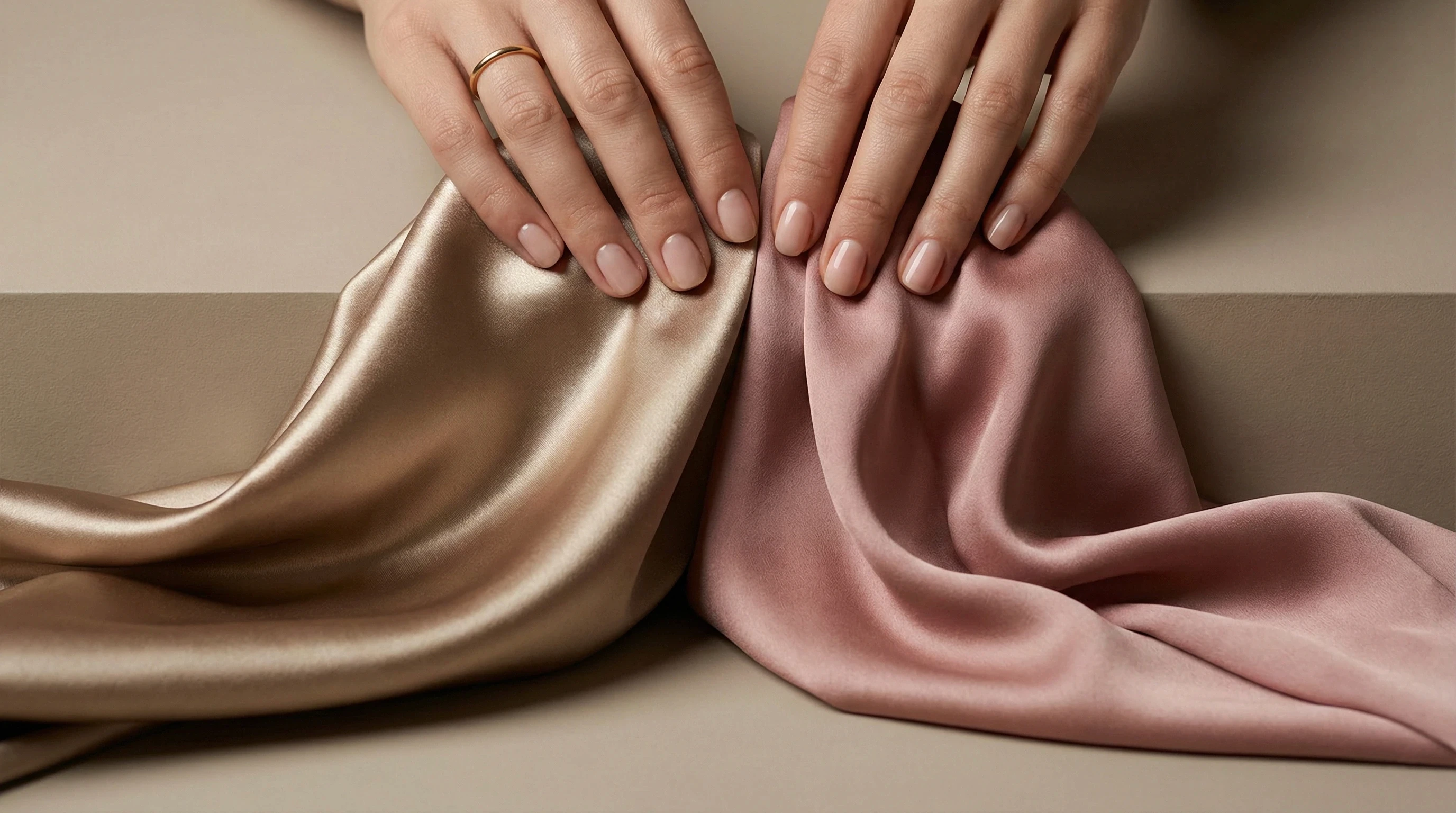
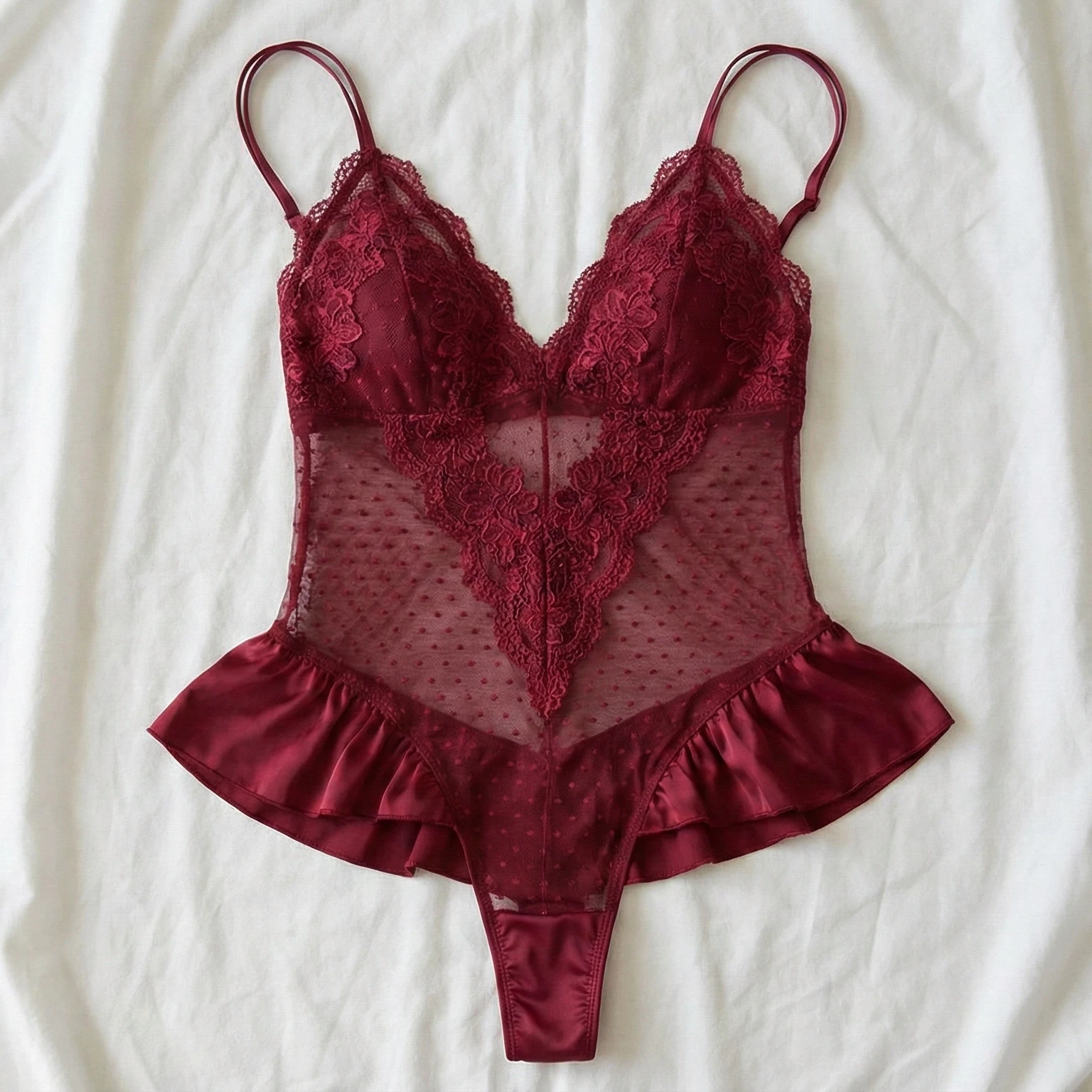
Then we look for material honesty. Luxury is not a word a brand earns through styling; it is earned through fiber, finish, and how cloth behaves over hours. The difference between silk satin and silk charmeuse is not a glossary entry to us—it is how light settles, how the fabric cools against skin, how it drapes when you exhale.
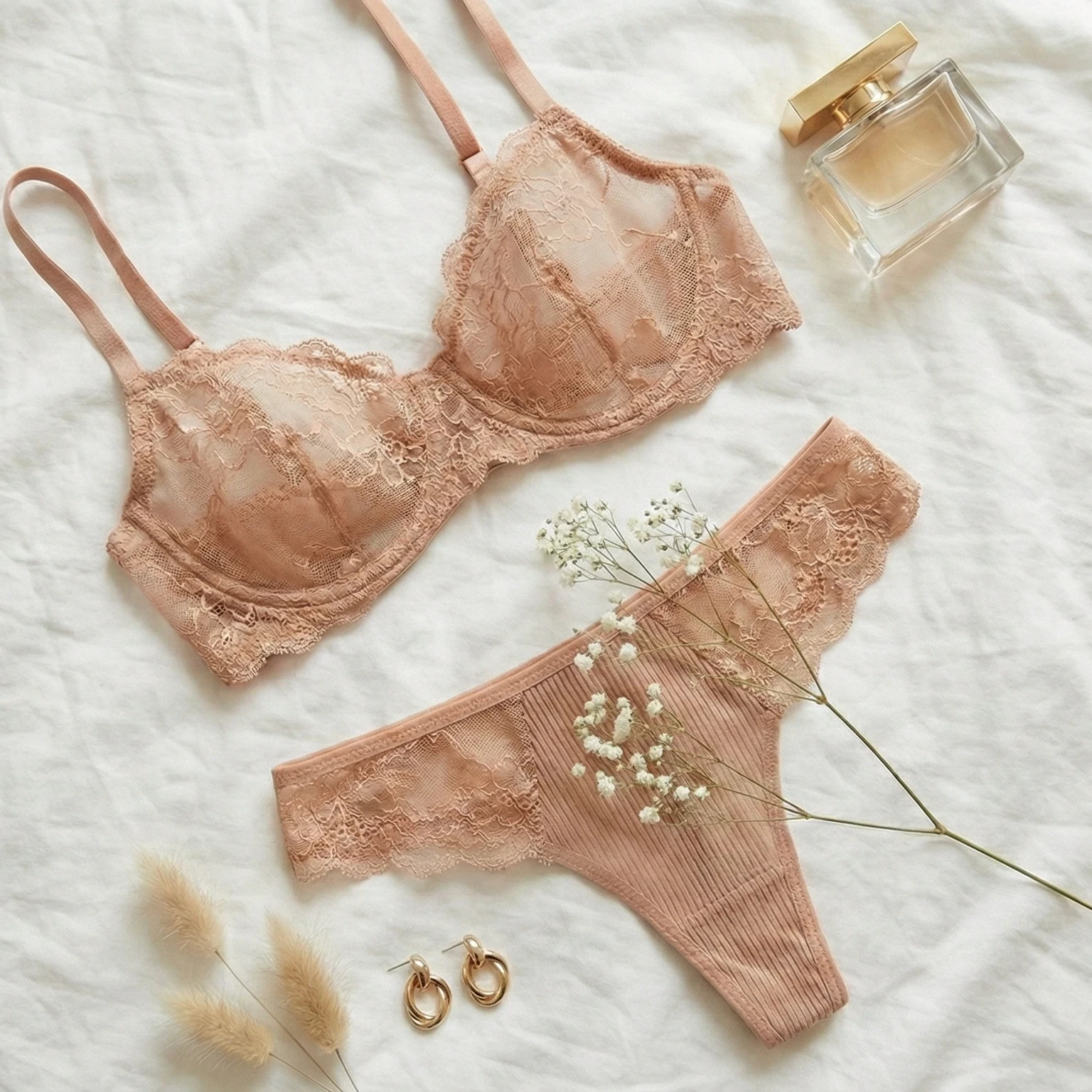
We pay attention to lace in the same way a museum watches paper. Not because lace is decorative, but because it is architectural. Leavers lace carries a particular kind of depth—its motifs hold their edges, its surface feels alive rather than printed, and it moves with a soft authority instead of collapsing into softness that looks pretty and wears out quickly.
Our first question is always about intention. The most compelling pieces do not chase a mood from a campaign; they hold a point of view. You can feel it in the restraint of a silhouette, in a neckline that sits without tugging, in a seam that exists only to keep the body at ease.
Then we look for material honesty. Luxury is not a word a brand earns through styling; it is earned through fiber, finish, and how cloth behaves over hours. The difference between silk satin and silk charmeuse is not a glossary entry to us—it is how light settles, how the fabric cools against skin, how it drapes when you exhale.
We pay attention to lace in the same way a museum watches paper. Not because lace is decorative, but because it is architectural. Leavers lace carries a particular kind of depth—its motifs hold their edges, its surface feels alive rather than printed, and it moves with a soft authority instead of collapsing into softness that looks pretty and wears out quickly.
Construction and Fit as Respect
Construction and Fit as Respect
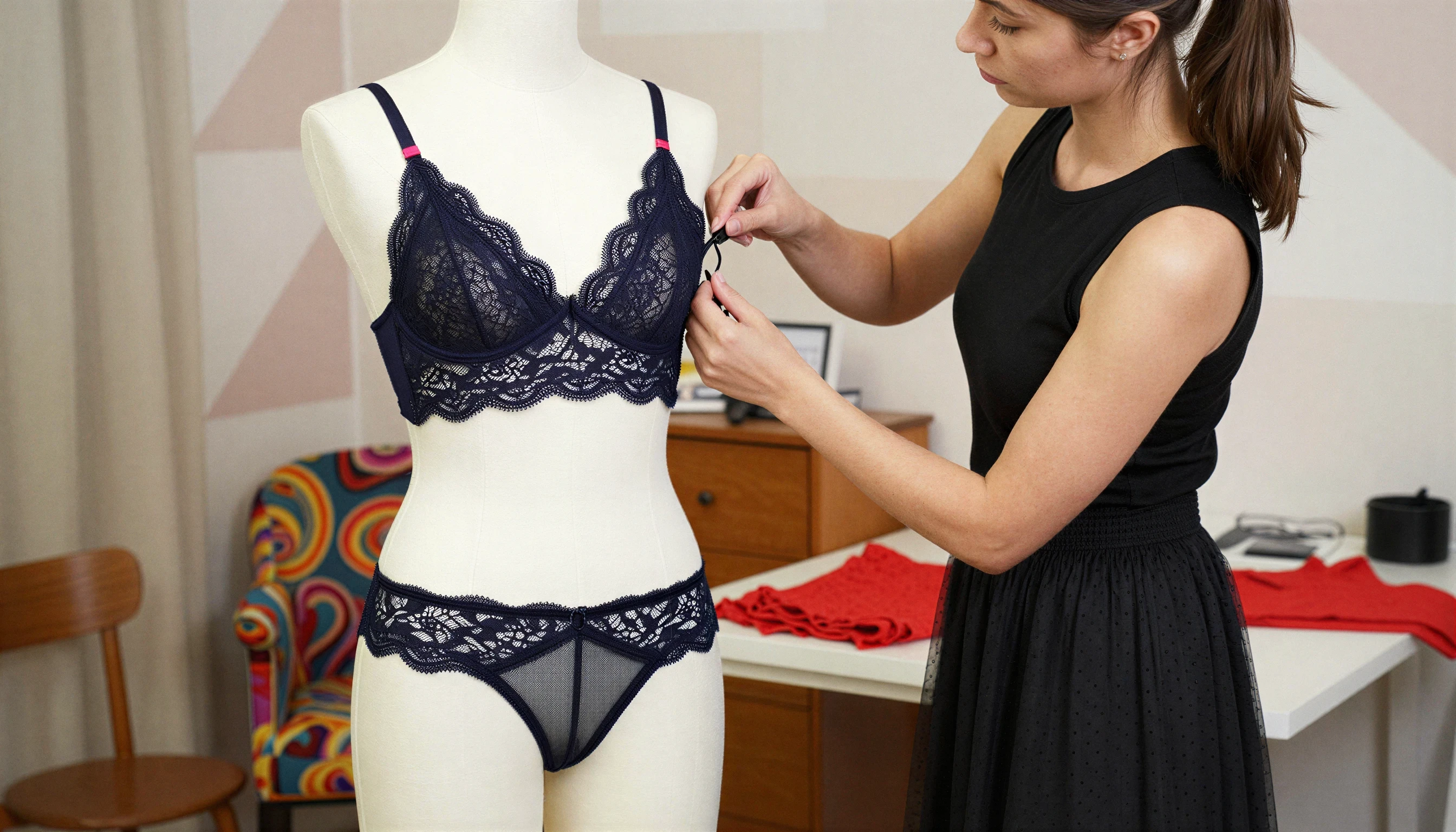
Construction is where a brand either respects the body or forgets it. We notice when elastic is chosen for calm, not for grip. We notice picot edges that lie flat and stay there, and underwire channels that feel quiet because they are silk-wrapped, not simply functional. We notice whether hardware is plated metal that stays cool and clean, or something lighter that loses its finish in the first season.
But our criteria are never only technical. Skill matters because it changes experience. A French seam is not a brag; it is a smooth interior that lets the mind stay on the day instead of on friction. A small bartack at a stress point is not a detail for a product page; it is the reason a strap holds its promise when you move quickly and forget you are wearing anything delicate.
Fit is another form of ethics. We are drawn to brands that build patterns with nuance, not with vanity. That means grading that preserves proportion rather than simply enlarging circumference, and shapes that acknowledge the reality of shoulders, ribs, and breath. The best lingerie does not correct the body. It collaborates with it.
Construction is where a brand either respects the body or forgets it. We notice when elastic is chosen for calm, not for grip. We notice picot edges that lie flat and stay there, and underwire channels that feel quiet because they are silk-wrapped, not simply functional. We notice whether hardware is plated metal that stays cool and clean, or something lighter that loses its finish in the first season.
But our criteria are never only technical. Skill matters because it changes experience. A French seam is not a brag; it is a smooth interior that lets the mind stay on the day instead of on friction. A small bartack at a stress point is not a detail for a product page; it is the reason a strap holds its promise when you move quickly and forget you are wearing anything delicate.
Fit is another form of ethics. We are drawn to brands that build patterns with nuance, not with vanity. That means grading that preserves proportion rather than simply enlarging circumference, and shapes that acknowledge the reality of shoulders, ribs, and breath. The best lingerie does not correct the body. It collaborates with it.
The Test: Time, Clarity, Inner Luxury
The Test: Time, Clarity, Inner Luxury
We also listen to what a brand refuses. A label that relies on spectacle tends to design for impact first and comfort later. We do not belong to that rhythm. We value brands that can stay quiet—pieces that disappear under tailoring without disappearing from the wearer’s awareness, pieces that make posture feel natural rather than imposed.
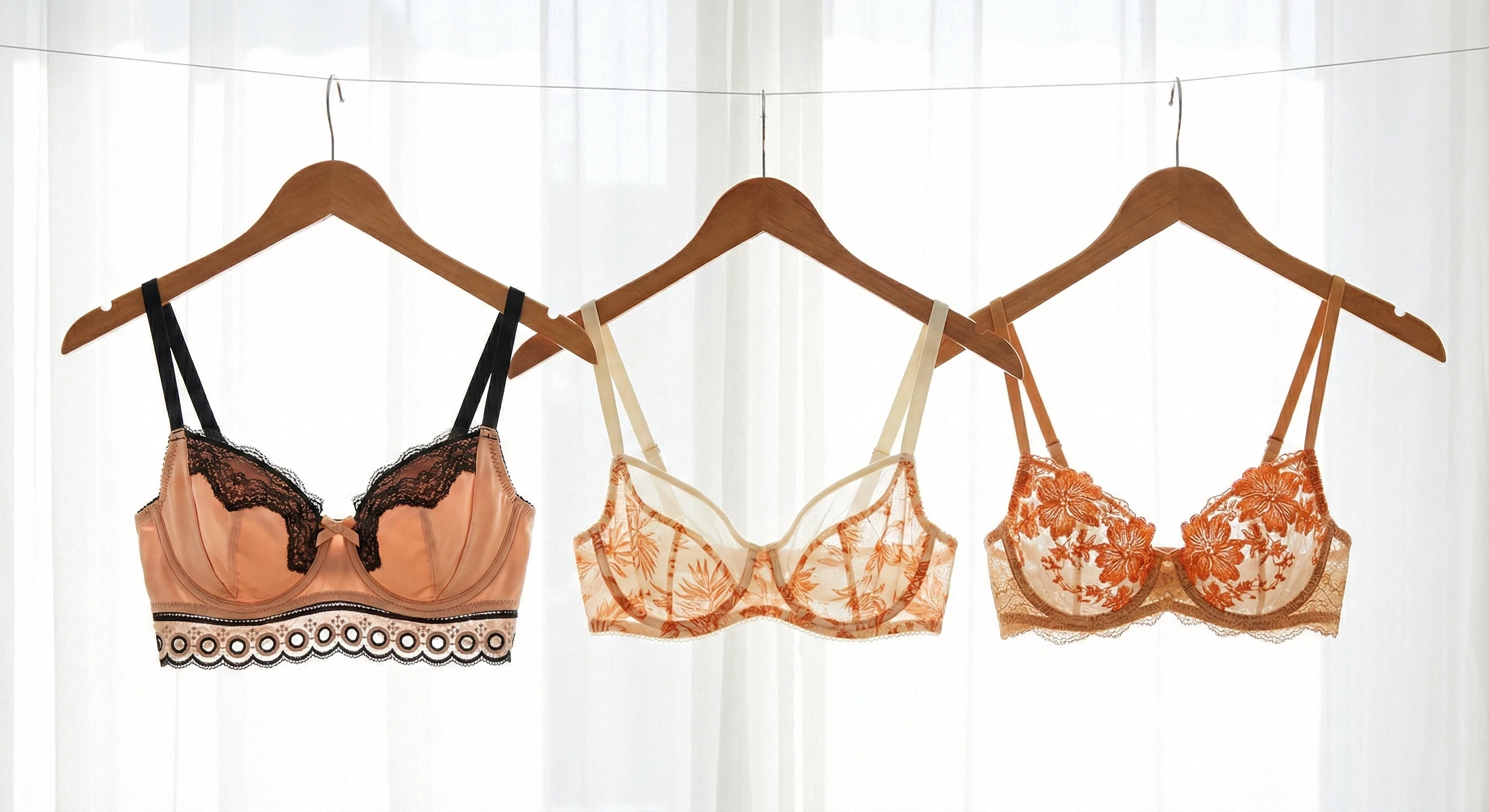
There is also the question of time. Some garments are made to photograph; others are made to live. We are partial to the second kind—the strap that does not twist by lunchtime, the silk that does not pill into dullness, the lace edge that remains crisp after repeated washing because it was finished with patience.
A brand’s relationship to the wearer shows up in small decisions. Is the label placed where it scratches, or where it stays unnoticed? Are the seams pressed and aligned so the garment settles quickly, or does it require constant adjustment? Does the piece feel considered from the inside out, the way good tailoring does, with a private logic beneath the visible one?
We also listen to what a brand refuses. A label that relies on spectacle tends to design for impact first and comfort later. We do not belong to that rhythm. We value brands that can stay quiet—pieces that disappear under tailoring without disappearing from the wearer’s awareness, pieces that make posture feel natural rather than imposed.
There is also the question of time. Some garments are made to photograph; others are made to live. We are partial to the second kind—the strap that does not twist by lunchtime, the silk that does not pill into dullness, the lace edge that remains crisp after repeated washing because it was finished with patience.
A brand’s relationship to the wearer shows up in small decisions. Is the label placed where it scratches, or where it stays unnoticed? Are the seams pressed and aligned so the garment settles quickly, or does it require constant adjustment? Does the piece feel considered from the inside out, the way good tailoring does, with a private logic beneath the visible one?
We notice language, too, but not as performance. When a brand speaks about its work with clarity—materials named accurately, processes described without theatre—it signals respect. When it leans on vague claims or borrowed romance, it usually means the garment cannot carry its own truth.
Sometimes our judgment arrives in a moment too ordinary to dramatize. A morning when the weather turns cold, and you reach for a bra that holds warmth without bulk. An afternoon under a crisp shirt, when nothing pulls and nothing shows, and the day feels cleaner because your base layer is quietly right.
We also consider coherence. A worthy brand does not need to reinvent its identity each season. Its signatures are subtle, not repetitive: a consistent approach to line, a recognizable hand in finishing, a disciplined color palette that reads like taste rather than trend. It is harder to remain consistent than to be surprising, and we admire that difficulty.
We notice language, too, but not as performance. When a brand speaks about its work with clarity—materials named accurately, processes described without theatre—it signals respect. When it leans on vague claims or borrowed romance, it usually means the garment cannot carry its own truth.
Sometimes our judgment arrives in a moment too ordinary to dramatize. A morning when the weather turns cold, and you reach for a bra that holds warmth without bulk. An afternoon under a crisp shirt, when nothing pulls and nothing shows, and the day feels cleaner because your base layer is quietly right.
We also consider coherence. A worthy brand does not need to reinvent its identity each season. Its signatures are subtle, not repetitive: a consistent approach to line, a recognizable hand in finishing, a disciplined color palette that reads like taste rather than trend. It is harder to remain consistent than to be surprising, and we admire that difficulty.

Finally, we ask whether a brand’s luxury is inward. True luxury does not announce itself from the outside. It settles into the body and stays there as ease, as calm, as a sense of being held without being constrained.
This is what recommendation means in Intimate Eminence. Not instruction, not endorsement, not a list of names. It is a recognition of standards that honor the wearer’s inner life, and of garments that prove their intelligence where it matters most: against skin, across hours, in the quiet continuity of a woman’s day.
Finally, we ask whether a brand’s luxury is inward. True luxury does not announce itself from the outside. It settles into the body and stays there as ease, as calm, as a sense of being held without being constrained.
This is what recommendation means in Intimate Eminence. Not instruction, not endorsement, not a list of names. It is a recognition of standards that honor the wearer’s inner life, and of garments that prove their intelligence where it matters most: against skin, across hours, in the quiet continuity of a woman’s day.